Mugham: Echoes of the Past, Digital Harmony of the Future
A fascinating journey from the ancient roots of Mugham to its synthesis with modern digital technologies. How will Azerbaijan's spiritual heritage thrive in the age of AI?
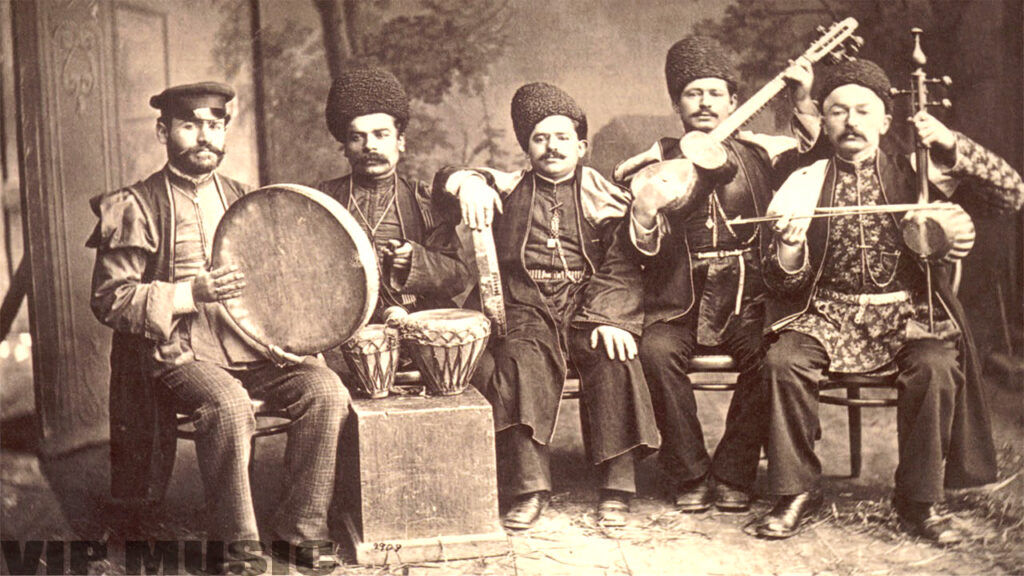
The History of Mugham: Azerbaijan’s Spiritual Passport
Mugham, considered the pinnacle of Azerbaijani music, is not merely a genre but a complex artistic system that encapsulates the philosophy, history, and soul of our people. Transmitted from generation to generation through oral tradition for centuries, this art is one of the most brilliant examples of the Eastern Renaissance. The roots of Mugham lie in ancient times, folk beliefs, and classical Eastern poetry.
Historical Stages of Development
The art of Mugham began to take shape in the Middle Ages, finding its perfected form through the schools of Shirvan, Karabakh, and Baku. In the early 20th century, Uzeyir Hajibeyov synthesized Mugham with European classical music to create the opera 'Leyli and Majnun.' This was one of the most significant steps toward gaining global recognition for Mugham. Its inclusion in UNESCO's 'Masterpieces of the Oral and Intangible Heritage of Humanity' in 2003 reaffirmed its universal value.
Cultural Identity and Mugham
For Azerbaijanis, Mugham is an expression of national identity. Each Mugham 'dastgah'—such as Rast, Shur, Segah, Chahargah, Bayati-Shiraz, Shushtar, and Humayun—describes different states of the human soul. For instance, while 'Rast' symbolizes courage and optimism, 'Segah' is the musical language of love and longing. This musical system preserves the sorrow, joy, and struggles of the Azerbaijani people.
Technology and the Future of Mugham
In the modern era, technological advancements are opening new horizons for the preservation and evolution of Mugham. Artificial Intelligence (AI) is now capable of analyzing the complex microtonal system of Mugham. This is invaluable for the future digital archiving and virtual teaching of this art form.
- Digital Archiving: Recordings of ancient 'khanandas' (singers) are being restored using AI and converted into high-fidelity formats.
- Virtual Reality (VR): Through VR technology, listeners can experience Mugham as if they were attending the historical musical gatherings of Shusha.
- Synthesis and Electronic Music: Modern composers are blending Mugham elements with electronic music to develop the 'Ethno-Electronic' genre.
In the future, music technologies could learn the improvisational characteristics of Mugham to create 'responsive' smart accompaniment systems that interact with live performers in real-time. This will maintain the ancient spirit of Mugham while making it more accessible and engaging for the younger generation.
Conclusion
While Mugham is a heritage from our past, it is also an art form directed toward the future. Technology does not change Mugham; rather, it expands its boundaries. Our duty is to pass this magnificent legacy to future generations by merging it with the possibilities of the digital age.